Slowcore and Space Exploration

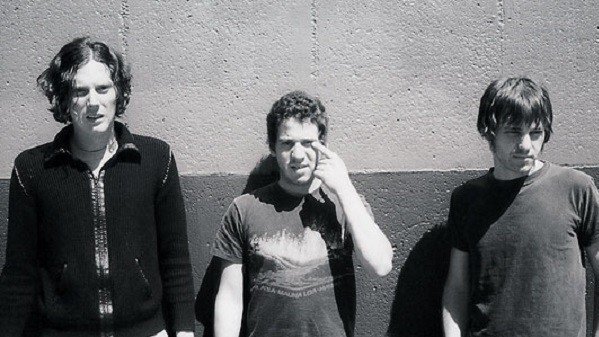
By the early 90s a new genre called “Slowcore” began to emerge among underground rock bands. Bands like Galaxie 500 and Slint would be early innovators of the genre with the albums “This is Our Music” and “Spiderland” respectively. In 1996, Duster formed as a collaboration between multi-instrumentalists Clay Parton and Canaan Dove Amber, they took inspiration from the previously mentioned projects as well as acts like Bedhead and Codeine. The duo began recording in a home studio they called “Low Space Orbit”, this mutual fascination for space exploration would be a common theme in their music. They released a handful of tracks on the cassette demos “Christmas Dust” and “On the Dodge”. The band released their first EP, “Transmission, Flux” in 1997 after signing with “Up Records” in Seattle. This would be the duo’s final release before deciding to make their first full length album. They added Jason Albertini to the group to provide drums for a handful of tracks and got to work.
duster / stratosphere
In 1998, Duster released Stratosphere. It had similar themes to their previous work, featuring slow, atmospheric, and space like instrumentation with heavy influences of space travel. However, Stratosphere proved to be a much more ambitious project from the band. It didn’t just have roots in the fading slowcore movement, it also had influences from noise rock and even ambient music. This blend of styles and genres is one of the things that makes Stratosphere stand out. The tracklist blends the vast range of styles so that it still feels like an organic progression of themes.
The opening song, Moon Age, immediately pulls you into the setting. It immerses you in the albums space-like atmosphere and it establishes the melancholic mood of the album. The opening track serves as a great transition into Heading For the Door, which demonstrates the wide range of emotion this album uses, starting with fast, layered guitar tracks and descending down a to quiet and peaceful outro with genuinely beautiful instrumentation. The next track, Gold Dust, starts with a single guitar track creating a more barren atmosphere than the last track, which featured thickly layered instrumentals throughout. That guitar track only lasts for a measure before the rest of the instruments are added, the track becomes warm and vibrant, and it has one of the most elaborately composed passages on the album, the song is a beautiful addition of warmth to the overall melancholic tone. The next tracks, Tropical Solution, Docking the Pod, and The Landing, all create a narrative of space travel and the quiet downtime that it entails. Space travel isn’t shown to be an intense experience at hyper speeds, space travel is peaceful, meditative, draining, and serene in these tracks. It offers a sort of self reflection that makes it personal to the listener, inviting them to get lost in their own thoughts as they listen to the soundtrack of a long voyage through space.

The track that follows, “Echo, Bravo”, shows the true range of this album. The drawn out feedback loop at the beginning builds tension after the relaxing nature of the previous songs. That build of tension makes the noisy release later in the track so much sweeter. The pounding drums, the droning guitars, and the dense layering makes the track a standout. It’s blistering, yet, it’s still oddly comforting and important to the rest of the album. Echo, Bravo is the emotional release that is needed after the journey the previous tracks created.
Constellations, The Queen of Hearts, Two Way Radio, and Inside Out all feel connected, and serve as a great transition into the second half of the album. These tracks offer the same feeling of space travel as before, but this time in a more tired way. The songs feel fatigued, they offer a growth in the tone that allows for more complex feelings to form in the listener. They instill a deep feeling of nostalgia that creates growth in a narrative that is individual to whoever is listening to it. The song Inside Out is the perfect end to this run of tracks. It takes the feelings the listener and gives them a sense of melancholic joy. The dreary tones of the songs before Inside Out are completely turned around because of the warm instrumentals, the genuine performances, and the infectious progression of the song.
The title track for the album, Stratosphere, is one of the most compelling. It is entirely composed of an evolving ambient drone and a drum beat that progressively takes control of the track. This song is odd, it seems like its only purpose is as an interlude track, but it’s too integral to the progression of the album to call it that. It amplifies the atmospheric feeling of the album, it grabs the listener and pulls them back into this lonely world. The track excels at bringing out the loneliness of space travel, and it causes the listener to feel how emotionally draining that loneliness is. Reed to Hillsborough marks the end of this lonely voyage and a reclamation of feelings that were thought to be lost. It’s another track that offers self reflection, but in a different way than previous ones. Where previous songs on this album offered a more depressing look back, this one gives the listener a chance to see the good in “depressing” experiences. Shadows of Planes continues this idea with relaxing low ends that create a setting of childlike innocence, like you’re laying on your back, looking up at the sky on a warm, breezy day.

Earth Moon Transit is the greatest achievement of this album. It is one of the most expertly arranged songs ever, not because anything technically challenging or innovative, but because it ties together such a broad scope of ideas. The song brings together every emotion, every theme, and every idea that Duster had as a project. The intro guitar riff immediately introduces the loud outburst of melancholic joy this album has constantly been trying to build to. The loud bursts of energy match perfectly with the immersive progressions and chord voicing. The mumbled vocals layered over the noisy instruments is another perfect fit and creates a mediative setting that perfectly concludes a lot of the most important themes on Stratosphere. If Earth Moon Transit is the climax, The Twins / Romantica is the falling action. It gently brings you back from the intense emotional outbursts of Earth Moon Transit, and prepares you for the reentry to the real world. Sideria continues with this resolution and acts as sort of an epilogue, it allows you to look back over the personal, space like journey this album just took you through. It’s the ending an album like this needs, it allows for closure while still letting you grow from the experience Stratosphere guided you through.
Slowcore and Duster Today
Stratosphere released a little after the evolution and interest of slowcore died out. Duster didn’t really appeal to many people at the time and they split up after the release of their second album in 2000. Slowcore seemed like it would be a lost genre, a niche style that would never garner any real attention. Towards the beginning of the 2010s, that changed. Tons of slowcore projects began to be discovered through the internet. The few people who remembered these projects brought them into the radar of thousands of music fans. Duster is now considered legendary because of how well crafted and innovative Stratosphere is. Duster even reformed in 2019 and released a third album after 19 years.
Favorite Tracks
- Earth Moon Transit
- Echo, Bravo
- Gold Dust
Final Comments
Stratosphere by Duster is a passionately composed project that creates genuine feelings of loneliness, self reflection, and joy. It combines atmospheric instrumentation, quiet yet heartfelt vocals, beautiful progressions, a LoFi production style, and a love of space exploration to create one of the most personal and unique musical experiences ever created.
Final Score
10/10
 Mikwah's Music Reviews