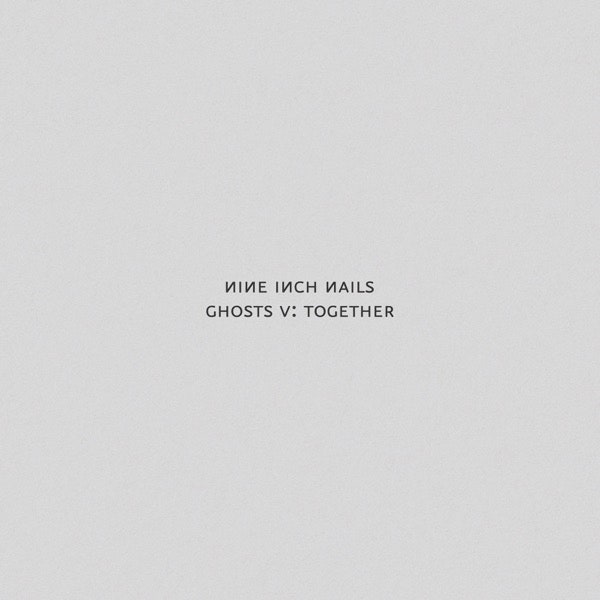
Ghosts V: Together – Nine Inch Nails ALBUM REVIEW

https://www.nin.com/
A link to their official website where you can download the album for free

Nine Inch Nails

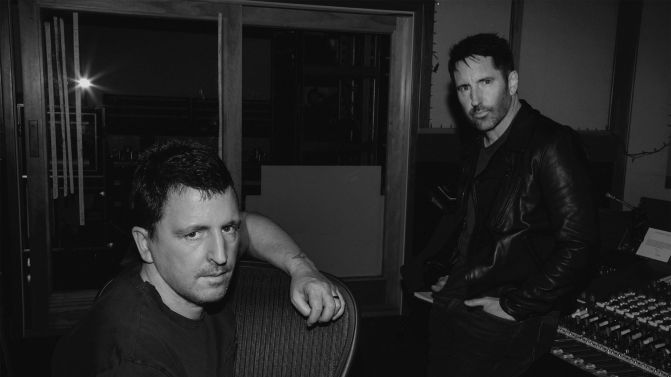
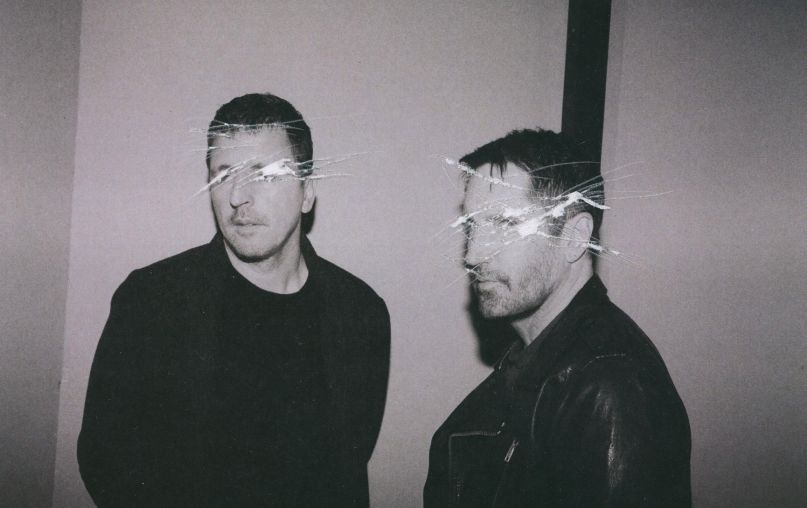
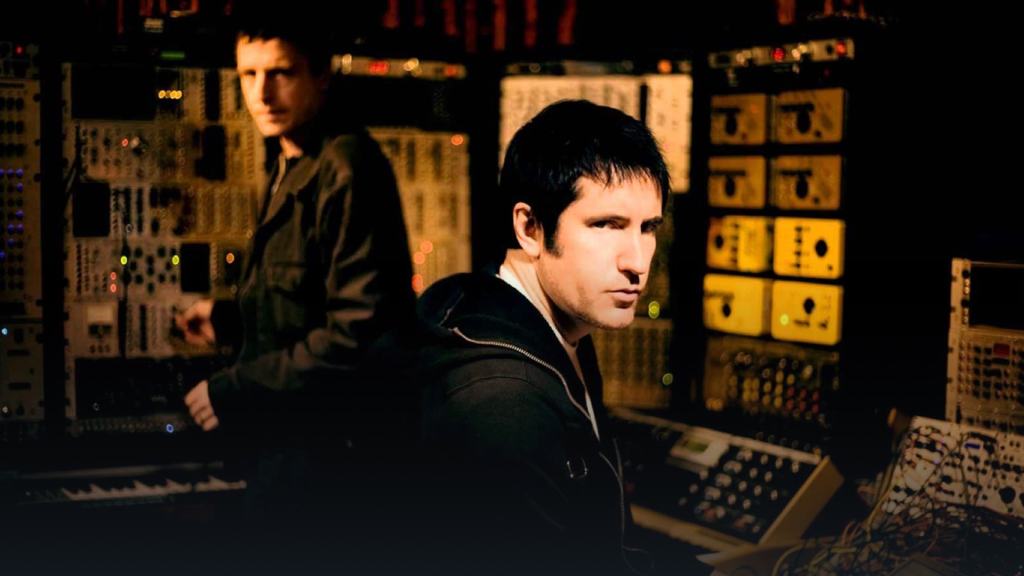
Ghosts V: Together is the tenth studio album from Industrial band Nine Inch Nails. Trent Reznor was the sole member of this project since its inception until 2016 when producer Atticus Ross was brought on as the official second member of the band. The newest projects from the duo, Ghosts V: Together and Ghosts VI: Locusts, are a continuation of the Ghosts series that began in 2008 with the record Ghosts I-IV. This series is very different from what the band is typically known for, ditching the angsty Industrial Rock for serene Dark Ambient landscapes. This series is closer to the duo’s work scoring films, making the soundtracks for David Fincher’s The Social Network and Gone Girl as well as many others. Unlike their film scores, however, these projects easily stand as their own artistic expressions and make their concepts very clear. What is most intriguing about Ghosts V and VI’s creation is that they are representative of the time period they were released in, that being the COVID-19 global pandemic. These projects are among the first to be released that accurately reflects how everyone is feeling during these times.

Together
Ghosts V: Together is a continuation of the Ghosts I-IV in name, but in execution, it is far more than that. Ghosts V creates vivid and fully realized ambient soundscapes that are far more nuanced than anything that was on Ghosts I-IV. The incredible palette of drones and chime-like synths are tied together with excellent mixing and sound design. The sounds on this album are varied and have a very clear progression to them, yet they still call back to one another as every sound helps to aid a central theme or mood.

Hope is a very big part of what this album tries to convey. NIN are very aware of the difficult times that this project was released in, and they set out to create a feeling of hope through the gorgeous lead progressions of this album. While the foreground of this album shows hope, the sinister drones in the background are the embodiment of what is being overcome.
Letting Go While Holding On is a beautiful introduction to what this record is. The deep drones immediately build an atmosphere around you as the leading synths play a simple melody that sets the tone. As the song progresses, chime-like samples come in further setting the hopeful tone of this album. The drones shift to help guide the progression along. Of course, this is still an ambient project, the progression feels a lot more natural rather than structured and the sounds are very spacious. Towards the end of the song these swelling vocal passages come in and adds tension to the track and holds your attention until it starts to fade out. The track Together opens up with a piano melody. Airy drones fade in around it as well as a breathy vocal sounds and a few other instrumental layers in the background. All these layers a juggled beautifully due to the fantastic mixing on this album. The natural progressions of the layers shift your focus to each one individually while news ones are still being added. Despite how much is going on, you never feel overwhelmed and the track is never cluttered. Each layer acts as an extension of the others, all contributing to a common goal. The payoff to the this buildup isn’t a grand climax, and it really shouldn’t be. The deep swells as the layers begin to disperse is a very natural conclusion to this build, and it creates room for the original piano melody to come back and close the track. Out in the Open focuses a lot more on synths than organic sounds. This still fits with the tone of the album and the track is much simpler than the previous. It acts as a transitional track without ever feeling like one, bringing you into the right state of mind for the darker With Faith. The sinister drones are a contrast with the cheery chime-like leads of this song. Additional drones come in and start to replace the dark opening of the track, almost making them seem friendly as they start to take over. By the midpoint, this song starts to feel like a continuation of the ideas on the opener, using similar samples. However, this track proves itself to be an entirely different endeavor with a more elaborate melody and an addition of strings. There’s a powerful build as the song goes on, and it completely surrounds the listener in its intricate atmosphere.
Apart is a turning point for this album. The eerie strings at the start is a complete tonal shift from the first half of this record. A build of these strings heighten the tension further before a piano melody, similar to the one on Together, comes in. At first, the piano seems like it is going to be an escape, but as time goes on we see this as a twisted version of a melody we thought we were familiar with. The dark ambience the drones create shift the mood of the piano into something disturbing. The strings then take over again, deepening the sinister mood of the song. Bassy synths come in and reinforce the mood further. The drones disappear for a moment, leaving you with just the strings, making you feel like the song is leading out. Then, a percussive comes in and takes control of the track until is closes out. Despite the extreme shift in tone this song is, it feels like the fruition of something you knew was coming rather than a sudden shift into darkness. Your Touch helps to lead you out of the eerie atmosphere of Apart. The song is a simple progression of layered synth tones, bassy drones, and a piano melody. It transitions you into Hope We Can Again, a more hopeful track. This song is like the journey back to the original tone of this album, coming out of the dark times that were portrayed on Apart. This journey is not an easy one, however, as it takes you through noisey and disjointed feedbacking drones that feel unrelenting as they are happening. When they finally let up, the atmosphere is barren. The original melody of the track picks up again and continues through the barren landscape, scarred yet victorious. Still Right Here is the final push through. Hopeful drones and melodies lead the beginning of this track. They start out strong but slowly lose strength. As soon as all seems lost and these layers dissipate, a distant electric guitar rebuilds momentum. It powers through and creates a grand build full of tension. The climax is a industrial electronic break that continues to build into a massive climax that folds in on itself. What’s left is the droning sounds of feedback and crackled vocal lines. The original melodies emerge, reinvigorated. They are back to where they began, a beautiful ambiance that is deeply changed by the events that happened over the course of the album.

Favorite Songs

1. Apart

2. Letting Go While Holding On

3. Together

Overall Thoughts

Ghost V: Together is a beautiful display of hope due to its incredibly well crafted ambient soundscapes. Even though a word is never spoken, this album perfectly conveys a wide range of thoughts that are very representative of the times it was released in.

Score

9/10 – Incredible

After Hours – The Weeknd ALBUM REVIEW

The Weeknd

The Weeknd is the solo project of Abel Tesfaye. Under this name, he has released a number of mixtapes and studio albums. After Hours is the fourth studio album. There are production and songwriting credits to Max Martin, Elton John, Kevin Parker, and Oneohtrix Point Never among others. Abel himself was also involved with writing and producing this album. This project is a complete reinvention of Abel and his music, which becomes increasingly apparent as the album goes on. This transformation only makes sense given his constant growth over the 2010s.

Casino and Synthpop

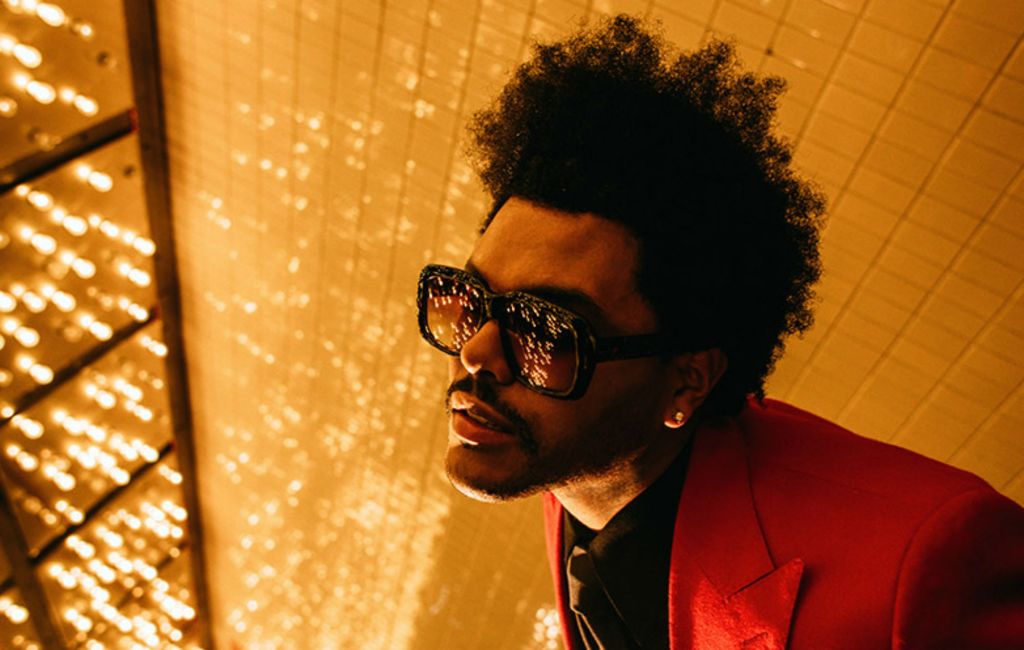
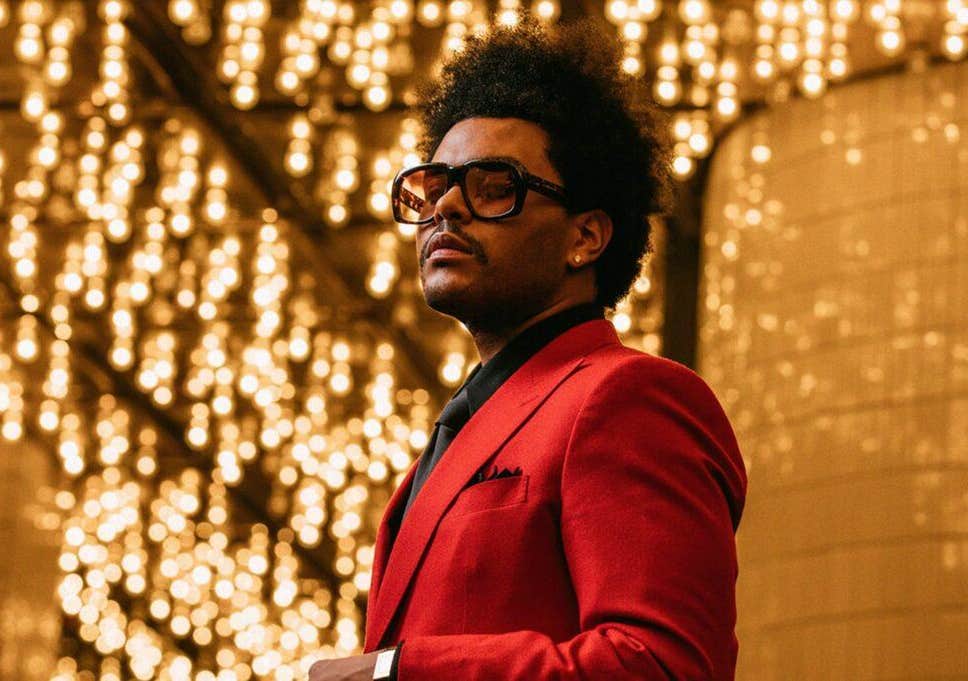
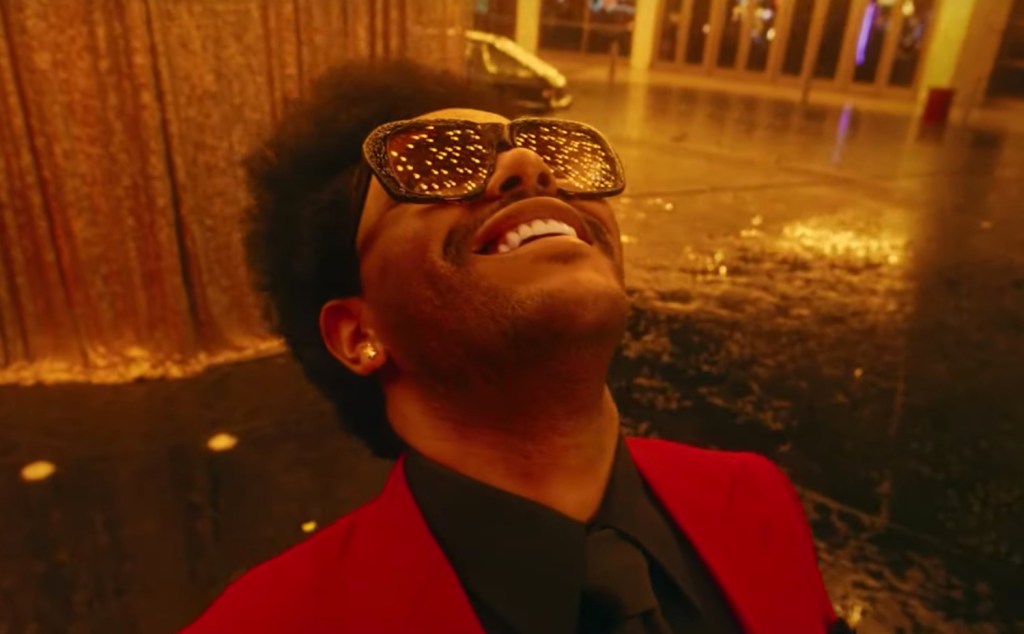
The Weeknd in the music video for “Heartless”

It is impossible to talk about this album without first bringing up its influences. This album is very obviously inspired by 80s synthpop in its sound, and a number of films serve as inspiration for the style and scope of this project, most notably, films from Martin Scorsese as well as Terry Gilliam. The Las Vegas strip also serves as an important subject in the narrative of this project. The large number of influences does not mean this is an unoriginal project, far from it. The Weeknd takes these ideas and influences and applies them to his own style and narrative. The Synthpop sound is only there in addition to Abel’s forward thinking R&B style, and the films he references serve as recontextualized backdrops for his own personal narrative. The story Abel tells throughout this project is compelling and personal. He speaks about a number of topics that mainly revolve around his actions, concerning drugs and alcohol, and how they have affected him and his relationships. This narrative works well with the production style, the sonic presentation never clashes with the lyrical substance. The narrative is also aided by an improved songwriting style from Abel.

The tracklist is very strong in this album, and the ideas flow through it somewhat consistently. The album opens Alone Again, a dark representation of the different tone this album will have. The songs builds and ends pretty grand, leaving the impression that this will be a different type of Weeknd project. This dark feel carries over into Too Late, except here we hear a lot more of the synth heavy production style he’d be going for here. The lyrical content of this song also shows the self realization of his shortcomings. This song would be his first attempt in trying to fix his mistakes. From a lyrical standpoint, the transition into Hardest to Love makes perfect sense, since this has him continuing to plead with his significant other that he knows he has been difficult and that he’ll be different now. Unfortunately, this logically progression in the narrative is not represented in the instrumentals, dramatically shifting into something akin to something Ben Gibbard would write for The Postal Service. Lost momentum is made up in the next track, Scared to Live. This song carries the same production style as the last track as well as a continuation in the narrative of Abel’s relationship. Scared to Live also ends on a somewhat somber note, which is matched in the beginning of Snowchild. This track explores Abel’s past as he reflects on how quickly he was thrown into a life of fame, and the negative effects it had on him as his began to use drugs and attending parties. Escape From LA is an interesting progression of these themes as we see Abel realize that he has to escape this way of life, that being the drugs, alcohol, and partying. This fast pace living takes a physical form as LA. The production on this track is also very spacey and has some interesting rhythmic patterns that adds life to the track. The narrative further progresses on Heartless, the leading single for this album. This song is a jarring transition in tone both lyrically and instrumentally. However, unlike the transition to Hardest to Love, this drastic shift makes sense given the subject of the song. Heartless has Abel returning to his old ways, abusing drugs, getting drunk, and gambling. He is quick to return to these things because he is “heartless” and doesn’t care about the effects it will have on himself or his loved ones.

Faith has an alternative look on this subject. We see Abel understanding that he should change his ways, but he doesn’t have faith in himself to be able to do it. The instrumentals are very synthy and the progression is amazing and matches the feelings being conveyed in the lyrics. The song has a very grand outro that I feel really highlights just how amazing the production on this album is. This song goes into another one of the albums highlights with Blinding Lights, perhaps the most obvious example of the influence synthpop has on this album sonically. The production is very vibrant and bright. The progression is very catchy, the beat is dancy. Overall this is just a very fun and well made song. That doesn’t mean that this song doesn’t continue with the topics of this album. This song shows him going on a long night of partying in the Las Vegas strip, since he feels abandoned and lost after a breakup. It proves how easy it is for him to slip back into doing the things that got him into trouble in the first place. In Your Eyes is another synth heavy track with a strong hook, bouncy bassline, and a sax solo. Despite how well made this track is I can’t help but feel the song topic is a bit uninspired. With then go to Save Your Tears, another 80s inspired cut but with a more chilled out and relaxed progression and hook. This one continues the pattern seen in the last track, fantastic production with uninspired lyrical themes. This track doesn’t do a whole lot to prove that this is a more matured effort for Abel, and it’s a track that I feel to be pretty weak in substance compared to other cuts on this record. We then get the Repeat After Me interlude, a track that I feel to be somewhat pointless other than to show the great production skills of Oneohtrix Point Never and Kevin Parker.

Next up is the title track After Hours, which is also the longest song on here coming in at six minutes in length. This track sees Abel in distress over a breakup. While the general concept of this track can seem a bit basic, he proves that he can do something interesting with it. The instrumentals are very strong, production is tight, and sonically, this track does a lot to convey the feelings he has. The closer on this album, Until I Bleed Out, is a satisfying conclusion to the ideas on this album, although I wish it did a bit more in terms of instrumentals. Abel is unable to push further to fix the problems in his life, and he is practically begging for someone to help him find strength, help that doesn’t come by the end of the album. It is a very dark track which is a proper conclusion to a darker, more serious release from The Weeknd.

Favorite Tracks

1. Faith

2. Blinding Lights

3. Escape From LA

Overall Thoughts

The Weeknd delivers his best project to date featuring stellar production and performances. Although the songwriting can be a bit bland in spots, Abel proves that he can create a more mature narrative in his music. The fantastic decision of a stylized 80s approach to this album adds vibrance and life to the dark topics of this record, and it keeps the momentum flowing throughout its runtime.

Final Score

8/10Amazing

Fungus II – Wasted Shirt Album Review

A Perfect Pair

Wasted Shirt is the project of garage rock experimentalist Ty Segall and legendary noise rock drummer Brian Chippendale. Ty Segall is known for his many different projects, such as his work with The Epsilons, as well as his large solo catalogue. Segall is often referred to as a “rock revivalist” and has left his impact on a variety of rock subgenres. Brian Chippendale is best known as the drummer and co-founder of groundbreaking noise rock duo Lightning Bolt. Fungus II is their first full length project together.

Exhilarating Garage Noise

Fungus II is an exciting project. The pounding and intricate drum grooves provided by Chippendale are backed up by Segall’s pummeling guitar riffs and angsty vocal delivery. These two play off of each other’s abilities perfectly creating a unique hybrid of loud, industrial noise rock and raw garage rock. The fantastic performances on this record are made even better by the expert layering of the instrumentals and the crushing guitar tones. Each track on here has an appropriate sense of scale that matches with the varied composition styles.

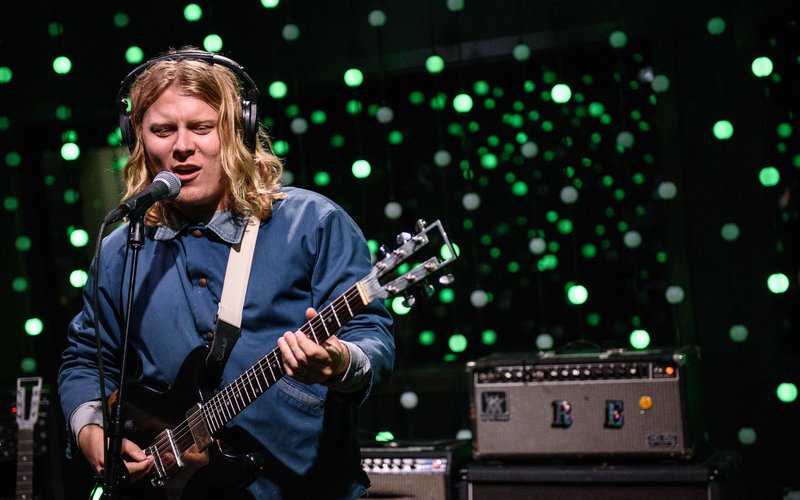
Ty Segall Live on KEXP

All is Lost serves as a great opener for the album that demonstrates what this project is trying to accomplish. The song is driven by Chippendale’s drumming, which is both fast and rhythmically intricate. The chorus on this song have Brian’s drumming matched with Segall’s sluggish guitar, which has pummeling tone. Segall’s shouted vocals and erratic guitar solos match with this track’s speed and intensity and add an extra layer to the controlling atmosphere. The intense speed and abrasive atmosphere carry over in the next track, Zeppelin 5. The instrumentals are a driving force. The drums push you forward as Segall’s guitar builds tension, sounding like a revving engine. Repetitive vocals are spread over the entire track, which have a much more melodic feel in contrast to the intensity of the instrumentals.

Brian Chippendale

Fist is my Ward carries the album’s momentum. This track is characterized by its droning guitar passages, unusual vocals, and ever building drum grooves. This momentum is, unfortunately, not carried over in the track Harsho. Harsho is the second longest track on the album and it really starts to drag over its five minute runtime. It’s a repetitive track that sounds barren in comparison to the massive scale of the previous tracks. Double the Dream, the next song on the album, picks things back up again. It is probably the simplest track on the album, but that doesn’t lessen the blow of the driving guitar riff and the pounding drums, as well as the repeatedly shouted phrase of “dream” as the track closes out. After that, The Purple One comes on with a punky acoustic guitar riff that is accompanied by rising instrumentals that swirl around it.

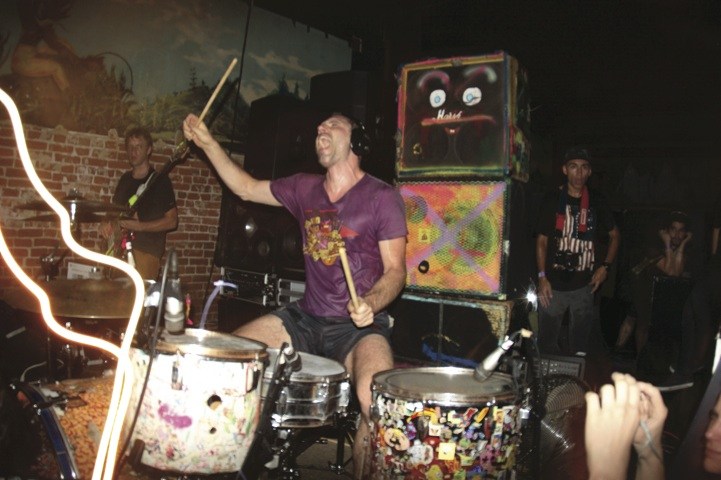
Brian Chippendale performing with Lightning Bolt

Eagle Slaughters Graduation is one of tensest tracks on the album and highlights the fantastic mixing as well as Chippendale’s top tier drumming. The track starts off with just the drums and as it progresses instrumental layers are added until it reaches a crowded climax, one of the most exciting points on the record. The album closes out with Four Strangers Enter the Cement at Dusk, which is characterized by its brooding tone and sluggish instrumentals. The volume ramps up over the first 3 and a half minutes before exploding at the halfway point. It turns into one of the most raw moments on the record as well as one of the noisiest. The outro of the track is a sludgy, droning outro of guitar feedback, which a proper end to this unrelenting beast of an album.

Favorite Tracks

  1. All is Lost
  2. Zeppelin 5
  3. Four Strangers Enter the Cement at Dusk

Overall Thoughts

Fungus II is an exhilarating project that holds you attention throughout. It drags in some specific areas but they are more than made up for with the intense and unrelenting performances, compositions, and production.

Score

8/10 – Amazing

Stratosphere- Duster Classic Review

Slowcore and Space Exploration

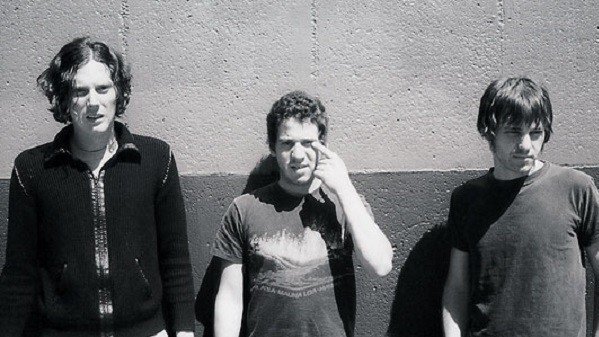
The slowcore innovators “Codeine”

By the early 90s a new genre called “Slowcore” began to emerge among underground rock bands. Bands like Galaxie 500 and Slint would be early innovators of the genre with the albums “This is Our Music” and “Spiderland” respectively. In 1996, Duster formed as a collaboration between multi-instrumentalists Clay Parton and Canaan Dove Amber, they took inspiration from the previously mentioned projects as well as acts like Bedhead and Codeine. The duo began recording in a home studio they called “Low Space Orbit”, this mutual fascination for space exploration would be a common theme in their music. They released a handful of tracks on the cassette demos “Christmas Dust” and “On the Dodge”. The band released their first EP, “Transmission, Flux” in 1997 after signing with “Up Records” in Seattle. This would be the duo’s final release before deciding to make their first full length album. They added Jason Albertini to the group to provide drums for a handful of tracks and got to work.

duster / stratosphere

In 1998, Duster released Stratosphere. It had similar themes to their previous work, featuring slow, atmospheric, and space like instrumentation with heavy influences of space travel. However, Stratosphere proved to be a much more ambitious project from the band. It didn’t just have roots in the fading slowcore movement, it also had influences from noise rock and even ambient music. This blend of styles and genres is one of the things that makes Stratosphere stand out. The tracklist blends the vast range of styles so that it still feels like an organic progression of themes.

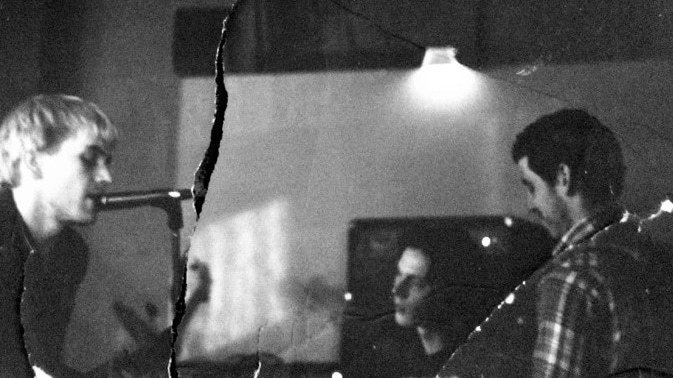
Duster

The opening song, Moon Age, immediately pulls you into the setting. It immerses you in the albums space-like atmosphere and it establishes the melancholic mood of the album. The opening track serves as a great transition into Heading For the Door, which demonstrates the wide range of emotion this album uses, starting with fast, layered guitar tracks and descending down a to quiet and peaceful outro with genuinely beautiful instrumentation. The next track, Gold Dust, starts with a single guitar track creating a more barren atmosphere than the last track, which featured thickly layered instrumentals throughout. That guitar track only lasts for a measure before the rest of the instruments are added, the track becomes warm and vibrant, and it has one of the most elaborately composed passages on the album, the song is a beautiful addition of warmth to the overall melancholic tone. The next tracks, Tropical Solution, Docking the Pod, and The Landing, all create a narrative of space travel and the quiet downtime that it entails. Space travel isn’t shown to be an intense experience at hyper speeds, space travel is peaceful, meditative, draining, and serene in these tracks. It offers a sort of self reflection that makes it personal to the listener, inviting them to get lost in their own thoughts as they listen to the soundtrack of a long voyage through space.

The track that follows, “Echo, Bravo”, shows the true range of this album. The drawn out feedback loop at the beginning builds tension after the relaxing nature of the previous songs. That build of tension makes the noisy release later in the track so much sweeter. The pounding drums, the droning guitars, and the dense layering makes the track a standout. It’s blistering, yet, it’s still oddly comforting and important to the rest of the album. Echo, Bravo is the emotional release that is needed after the journey the previous tracks created.

Constellations, The Queen of Hearts, Two Way Radio, and Inside Out all feel connected, and serve as a great transition into the second half of the album. These tracks offer the same feeling of space travel as before, but this time in a more tired way. The songs feel fatigued, they offer a growth in the tone that allows for more complex feelings to form in the listener. They instill a deep feeling of nostalgia that creates growth in a narrative that is individual to whoever is listening to it. The song Inside Out is the perfect end to this run of tracks. It takes the feelings the listener and gives them a sense of melancholic joy. The dreary tones of the songs before Inside Out are completely turned around because of the warm instrumentals, the genuine performances, and the infectious progression of the song.

The title track for the album, Stratosphere, is one of the most compelling. It is entirely composed of an evolving ambient drone and a drum beat that progressively takes control of the track. This song is odd, it seems like its only purpose is as an interlude track, but it’s too integral to the progression of the album to call it that. It amplifies the atmospheric feeling of the album, it grabs the listener and pulls them back into this lonely world. The track excels at bringing out the loneliness of space travel, and it causes the listener to feel how emotionally draining that loneliness is. Reed to Hillsborough marks the end of this lonely voyage and a reclamation of feelings that were thought to be lost. It’s another track that offers self reflection, but in a different way than previous ones. Where previous songs on this album offered a more depressing look back, this one gives the listener a chance to see the good in “depressing” experiences. Shadows of Planes continues this idea with relaxing low ends that create a setting of childlike innocence, like you’re laying on your back, looking up at the sky on a warm, breezy day.

Earth Moon Transit is the greatest achievement of this album. It is one of the most expertly arranged songs ever, not because anything technically challenging or innovative, but because it ties together such a broad scope of ideas. The song brings together every emotion, every theme, and every idea that Duster had as a project. The intro guitar riff immediately introduces the loud outburst of melancholic joy this album has constantly been trying to build to. The loud bursts of energy match perfectly with the immersive progressions and chord voicing. The mumbled vocals layered over the noisy instruments is another perfect fit and creates a mediative setting that perfectly concludes a lot of the most important themes on Stratosphere. If Earth Moon Transit is the climax, The Twins / Romantica is the falling action. It gently brings you back from the intense emotional outbursts of Earth Moon Transit, and prepares you for the reentry to the real world. Sideria continues with this resolution and acts as sort of an epilogue, it allows you to look back over the personal, space like journey this album just took you through. It’s the ending an album like this needs, it allows for closure while still letting you grow from the experience Stratosphere guided you through.

Slowcore and Duster Today

Stratosphere released a little after the evolution and interest of slowcore died out. Duster didn’t really appeal to many people at the time and they split up after the release of their second album in 2000. Slowcore seemed like it would be a lost genre, a niche style that would never garner any real attention. Towards the beginning of the 2010s, that changed. Tons of slowcore projects began to be discovered through the internet. The few people who remembered these projects brought them into the radar of thousands of music fans. Duster is now considered legendary because of how well crafted and innovative Stratosphere is. Duster even reformed in 2019 and released a third album after 19 years.

Favorite Tracks

  • Earth Moon Transit
  • Echo, Bravo
  • Gold Dust

Final Comments

Stratosphere by Duster is a passionately composed project that creates genuine feelings of loneliness, self reflection, and joy. It combines atmospheric instrumentation, quiet yet heartfelt vocals, beautiful progressions, a LoFi production style, and a love of space exploration to create one of the most personal and unique musical experiences ever created.

Final Score

10/10

Welcome to my Blog!

I’m Mikey and this blog will be mainly about music and sometimes about whatever else I want to talk about. I am a musician, I play guitar, bass, and piano. I am a fan of all types of music whether old or new and enjoy talking about why I like certain albums. I am excited to share what I am listening to and I hope you guys enjoy.

My Music Taste

Animal Collective

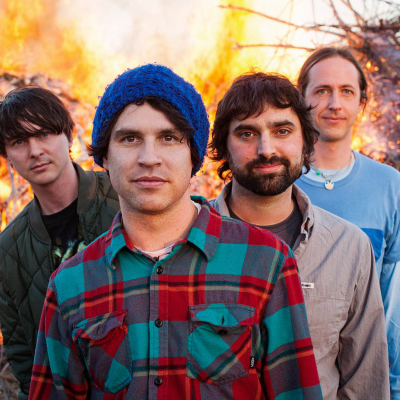
Some of my favorite artists currently are Swans, Animal Collective, Metal Face DOOM, Duster, Phil Elvrum, and Daughters. I enjoy listening to all genres of music but I am usually drawn to experimental rock and pop, noise rock and pop, any “gaze” genre (shoegaze, nu-gaze, etc.), jazz, ambient, metal, and slowcore. I’ll be doing Classic Reviews on all of my favorite albums, subscribe to my blog if you want to know when I post them.

Blog Schedule

I plan to post every week and I will try and stick to that as much as I can. The majority of posts are going to be Classic Reviews and Lists for a while, I’ll do a lot more Album Reviews once more music starts releasing.